It’s a tough job being a poet.
I’m surprised it’s not better paid.
Perhaps there should be guided tours of workshops
so non-poets can see how poems are made?
There’s no respite if you’re a poet.
You’re working all the time.
You have to get on it if there’s a call for a sonnet.
And people expect you to rhyme.
It’s more demanding than being a surgeon.
It’s harder than digging a road.
We deserve much longer holidays than teachers.
It can be stressful writing an ode.
We sometimes work until lunchtime
if we need to complete a quatrain.
Yes, it’s a tough job being a poet
but you’ll never hear us complain.
Remember a poet can be an enthusiastic inspiring addition to your classroom all year round, not just for National Poetry Day. If you’d like to know what I can do in your school, please contact me.
I’ve recorded a poem today and Karen has turned it into a video. Hope you like it. Please share and don’t forget National Poetry Day on Thursday 2nd October.
UK National Poetry Day is a nationwide celebration of poetry that has been held on the first Thursday in October since 1994. The next National Poetry Day is Thursday 2nd October 2014. Every year the organisers suggest a theme to inspire events and contributions, and this year’s is Remember. Share your poems for the event via Twitter and Facebook with the hashtag #nationalpoetryday or post them on the National Poetry Day Facebook page and follow the Twitter account to see what other people are doing. For more information about the day see the National Poetry Day Website.
Naturally this is a busy day for performance poets who work in schools, so it is worth booking early to avoid disappointment, and also having some flexibility around the day, perhaps having a poetry inspired week. If you would like me to visit your school, please contact me. This post will give you an idea of what a day in your school could be like.
Here’s one of mine on the Remember theme:
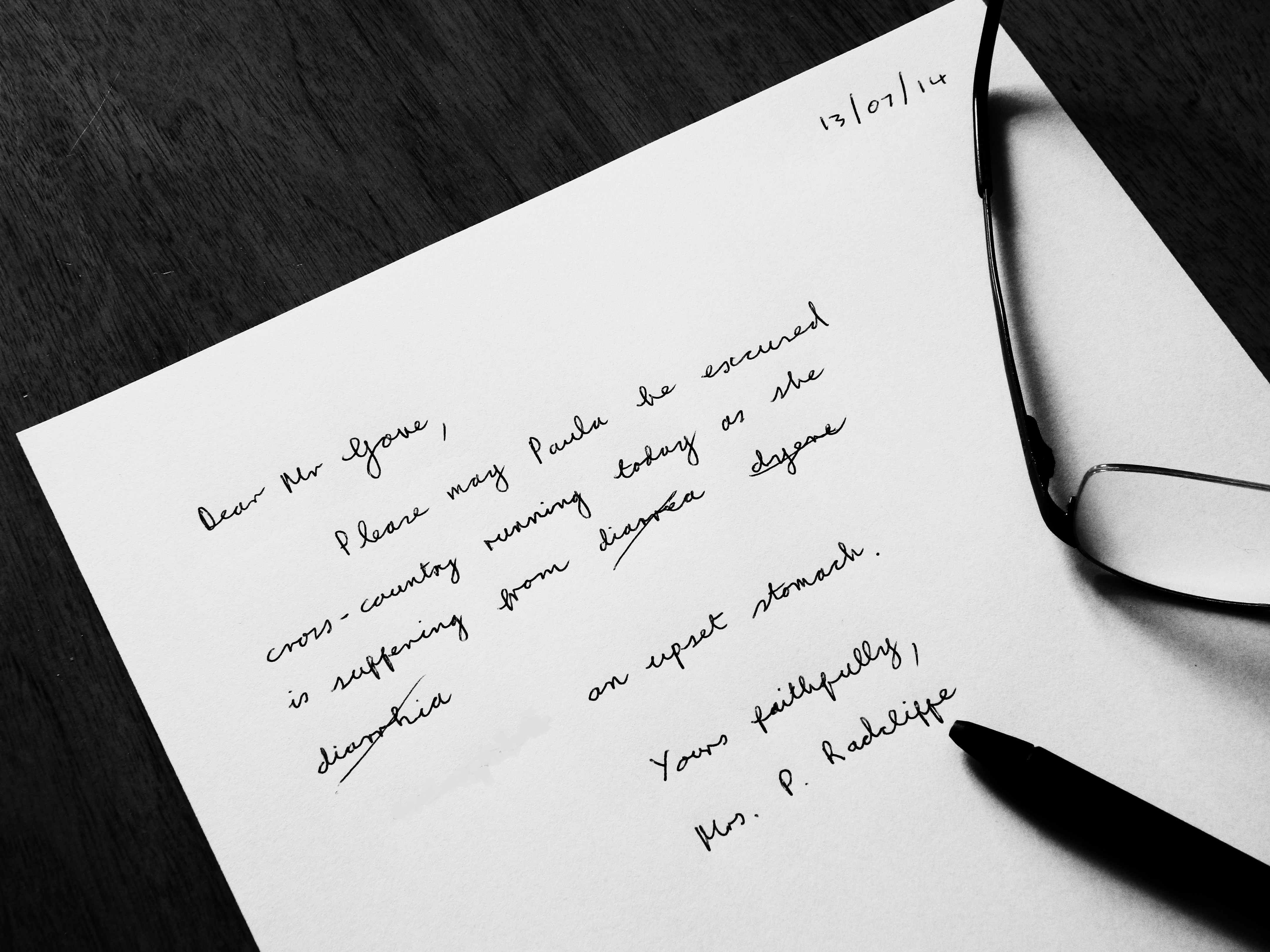
School Report
We never could remember
how to spell diarrhoea.
It was easier to invoke
a chill or an upset stomach
than to search for a dictionary.
But it didn’t matter
what my mother wrote
as long as her note
excused me from football
or rugby or cross-country.
Finally I openly rebelled
and raised a two-finger V
in time to be recorded for posterity
on the annual school photograph:
a brief yet permanent moment
of glory and defiance;
it went unnoticed for months
and prints were sold.
When parents eventually complained
I was caned and, unceremoniously, expelled.
World Poetry Day (21 March each year) celebrates and promotes the reading, writing, publishing and teaching of poetry worldwide. The day was declared an official observance day by UNESCO in 1999. But as many countries already had established traditional National Poetry Day’s around October time (in UK 2 October 2014), this worldwide celebration receives very little publicity in those countries, including the UK. But I say, the more poetry days, the merrier.
You could celebrate World Poetry Day in your school by learning about poems from different cultures, including from pupils’ own cultures. Or investigate different forms of poem, such as the Japanese Haiku or the Arabic Ruba’i.
Here are some teaching resources online that you may find useful:
Bringing a writer, poet, illustrator or storyteller into your school is a great way to inspire children and bring reading to life. The Book Trust, who organise Children’s Book Week, which is this week, have some tips on their website with simple steps for planning your event http://www.booktrust.org.uk/programmes/arranging-an-author-visit/
Children’s book week 7-11 October
But reading is for every day not just special weeks so the same principles apply for any time of year. Bringing in a guest writer/performer, who can give the kids and teachers a boost of energy and enthusiasm for reading and writing, is well worth the price.
Here’s the sort of day I have when I do a day workshop in a school. Before a workshop I usually perform some of my poems (some with guitar and participation) and then give writing ideas based on what they’ve heard me do. This can result in poems for the page and/or performance.
Some are very simple – I read one, for example, (When To Cut Your Hair) which uses each day of the week and show how that can be used for any subject. For example, using football:
When To Play Football
Play football on Monday Score a goal
Play football on Tuesday Fall down a hole
and so on.
Another I read (they join in with this) is Brilliant, which begins
Today Mum called me brilliant and that’s just how I feel
I’ll run a race I’m bound to win I’ll take up golf Get a hole in one
Because today Mum called me brilliant so that’s what I must be
I give ideas and examples of how they can use this structure, like this:
Today I’m feeling noisy So that’s what I will be
I’ll run up the stairs And stamp on the floor I’ll run back down And slam the door
Because today I’m feeling noisy So that’s what I will be
I use simple choruses and repetition during the performance and show how these can easily be incorporated in their own poems, if they want to write something that is for performance.
I do find, that having heard me, they pick up the ideas very quickly, and those who need less help can use my ideas if they want to, but also have the opportunity to go their own way. And there’s scope for writing funny and serious poems.
If there are any classes where the teacher would prefer to have a go at a class poem, we can do that too. I often use guitar on the class ones and we can usually come up with a finished poem in about 30 minutes.
Usually teachers jot down my examples based on 3 or 4 of my poems and then discuss them back in the classroom.
I hope the advice on the Book Trust website and the ideas I have given here will encourage some schools to book a writer. If you are interested in booking me, please do get in touch.
In preparation for National Poetry Day, my friend, Karen, has recorded me reading one of my poems, Puddles in the Playground from Double Talk, and turned it into a video, and here it is.





 Bernard Young Poet